

A South Dakota Wine Winner – Red Ass Rhubarb

2010 February 1
by Dominic Rivard

A Best of Class award for a South Dakota winery.

Prairie Berry Winery in Hill City is enjoying the attention surrounding its latest success, a success that’s been a long time in the making.

The family behind Prairie Berry Winery’s been making wine – oh since 1876. That’s nearly 135 years of experience in every bottle.

Most recently that experience helped them bring home the Judges Choice and Best of Class awards back to South Dakota from the San Francisco Chronicle’s wine competition.
Marketing Director Michele Slott says, “They have really high standards, a silver’s like a double gold at another competition. It’s a big thing, it really is.”

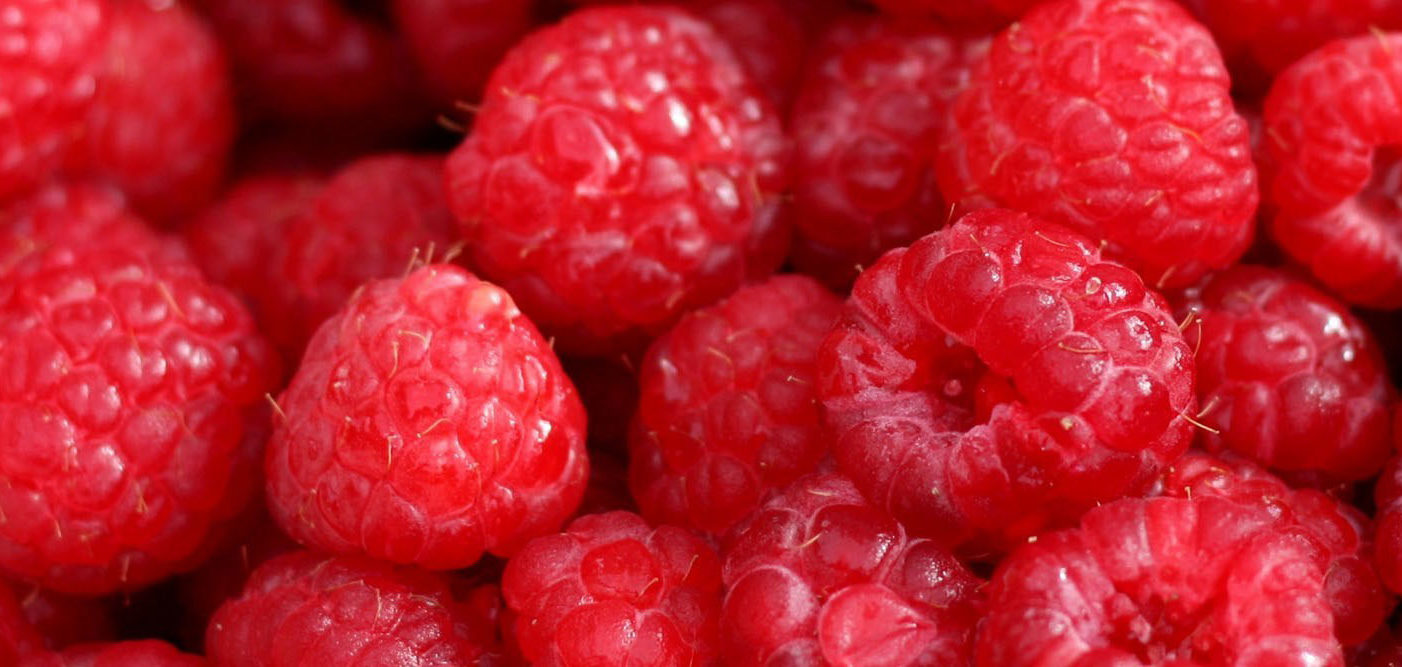
Their red rhubarb wine is what has the judges talking. Made of 10 percent raspberries and 90 percent rhubarb.

“They named the top ten things they learned, we were number 3. They said that they had to drink more fruit wine, especially from Prairie Berry Winery – we’re the only ones named in the article,” says Slott.

Prairie Berry gets their fruit from all over the state of South Dakota. While the family’s been making wine for decades, Prairie Berry opened as a commercial winery in 1998.

A Wyoming Vintner that isn’t limited to Grapes

2010 January 29
by Dominic Rivard

An interesting article by Josie Fowler of the Associated Press

When walking into the Irvin Cellar brewing warehouse, one cannot help but notice an odd smell.

A barrel in the middle of the room contains vineyard owner Kathy Irvin’s latest wine project: chopped pumpkin.

If you put your ear close to the barrel, you can hear the sounds of simmering and bubbling. The barrel of diced pumpkin will be eventually be siphoned, brewed, tested and waited on, all for the purpose of making just the right taste for Irvin’s pumpkin wine.

A Wyoming native, Irvin said she has winemaking in her blood. “I think wine has a culture of its own,” she said.

Both her grandmother and mother used to make it. Irvin worked as a cook for many years before obtaining her license in 2006 and opening a winery in 2008 with her husband, Terry.

The Irvin Cellar specializes in locally made wines with ingredients that come from Fremont County and surrounding areas. With the exception of two wines with ingredients that are not grown locally, Kathy Irvin said everything else is native. This includes honey, sugar, peaches, apricots, pumpkins, raspberries and grapes. Irvin said her winery is the only one in the country she knows of to sell jalapeño and pumpkin wines. She said drinking jalapeño wine with a steak is like having it marinated or flavored with jalapeño peppers.

Some of the favorite flavors among buyers include the jalapeño, chokecherry rhubarb, raspberry honey and pumpkin wines.
In reviewing the winery’s guestbook, one can find the names of people from Washington state, New York, Florida, California and everywhere in between who have visited Irvin Cellar. For example, Irvin said people have come from Napa Valley, Calif., to buy cases of wine, and they sometimes reroute their road trips just to visit the winery. There is much more to maintaining a winery than sampling and providing opportunities for the public to test unique creations. Long before sampling, the preparation begins. Grape plants must be planted five years before they will begin to produce. Irvin Cellar maintains 300 grape plants.

Irvin said she begins work in the field on Memorial Day weekend. During the summer, she said, she works from 6 a.m. until 9 p.m. Grapes are harvested around Sept. 10. For fruit wines, the process starts by scaling out 120 to 150 pounds of fruit. The fruit is crushed and transferred to barrels, where the pulpy mash stays for seven to 10 days. The resulting liquid is siphoned off and placed in air lock containers.

These containers are specially designed to allow gasses to escape and prevent air from entering. After two months, the fruit that has settled is cleaned out and the liquid is returned to storage for another two months. Irvin emphasized that everything is natural and takes its time.
After leaving the brewing warehouse, the tasting room offers a sense of outdoor serenity. Housed in a log cabin, it includes a crackling fireplace and rows of wines on display.

Irvin took a position behind the bar with an array of wine bottles and sparkling glasses, eager to share her work and passion with a taster. The most popular wine flavors are available for tasting along with crackers and specialty cheese for cleansing the palette. Irvin said just as there is an art to creating wine, there is also an art to tasting it. She goes through each wine, talking about the effort that goes into making it just right. She swirls the glass, talking of the “legs” that are left behind as it settles to the bottom of the glass, indicating it is just the right taste. “I want them to experience the old. There’s more out there than just grape wines,” she said.

The vineyard boasts many ribbons and awards, which indicate the growing popularity of the cellar’s creations. The wine offered is not only unique, it is created one container, one mixture at a time.

Tropical Fruit Wines in Australia Eyeing the World Markets

2010 January 27

Tropical fruit wines have a tremendous potential in many parts of the world. Here is an interesting article written by Jennifer Eliot about Northern Australia’s tropical fruit wineries and their push to export to markets where demand for such innovative and very enjoyable wines are increasing fast.

FAR Northern fruit wineries are poised to take on grape wine as the industry looks towards potential export markets.

North Queensland’s eight tropical fruit wine producers, who are making wine from exotic and native fruits such as mangosteen, black sapote and dragonfruit, are already wooing tastebuds across the Far North.

Fresh momentum has been struck in the industry following the release of the report Markets for Tropical Fruit Winery Products, funded by the Rural Industries Research and Development Corporation.

Queensland Department of Employment, Economic Development and Innovation trade and business officer Judy Noller wrote the report with the Wine Solutions Consultancy’s Brian Wilson.

It profiles the Australian and overseas fruit and wine markets and recommends strategies for market development as production grows.

De Brueys Boutique Wines owner Bob de Brueys yesterday welcomed the report as the company looks to expand it cellar door sales to include international markets in Europe and North America.

He said fruit wines were a competitive product in terms of taste and quality but the biggest obstacle facing the industry was educating drinkers used to drinking grape wine.
“It’s difficult to convince a grape wine drinker to drink fruit wine,” he said.

“We have a lot of repeat customers at our cellar door, and that’s the market we have really focused on, and while it is doing well, we are looking at other markets.

“Our wines are also being trialled in Europe, where we need to convince them that our product is high quality as well as different due to being made from exotic tropical fruits that are rare in Europe.”

Ms Noller said key behind the latest push was to develop a retail fruit wine category, new market niches and supply chains to markets in Australia.

“Fruit wine is a growing industry around Australia, and collaboration across production regions would support market and product development,” she said.

“Tropical fruit wineries in the Far North have developed a wide range of new products over some seven years, adapting traditional and modern grape wine-making techniques to the individual attributes of the broad range of fruits used.

“The range has expanded from wines and ports to cream cocktails and coffee liqueurs, ranging from dry through to sweet.”

Ms Noller said the study found the wines were versatile products, suited not only for drinking, but to enhance cooking, desserts and cocktails. “The project found Japan’s emerging fruit wine market offers the best export prospects initially,” she said.

“Japanese distributors and retailers who tasted a range of North Queensland tropical fruit wines commented on their high quality and likely consumer appeal.”

Other promising markets include the US, Canada and Singapore.

Get Adobe Flash playerPlugin by wpburn.com wordpress themes